
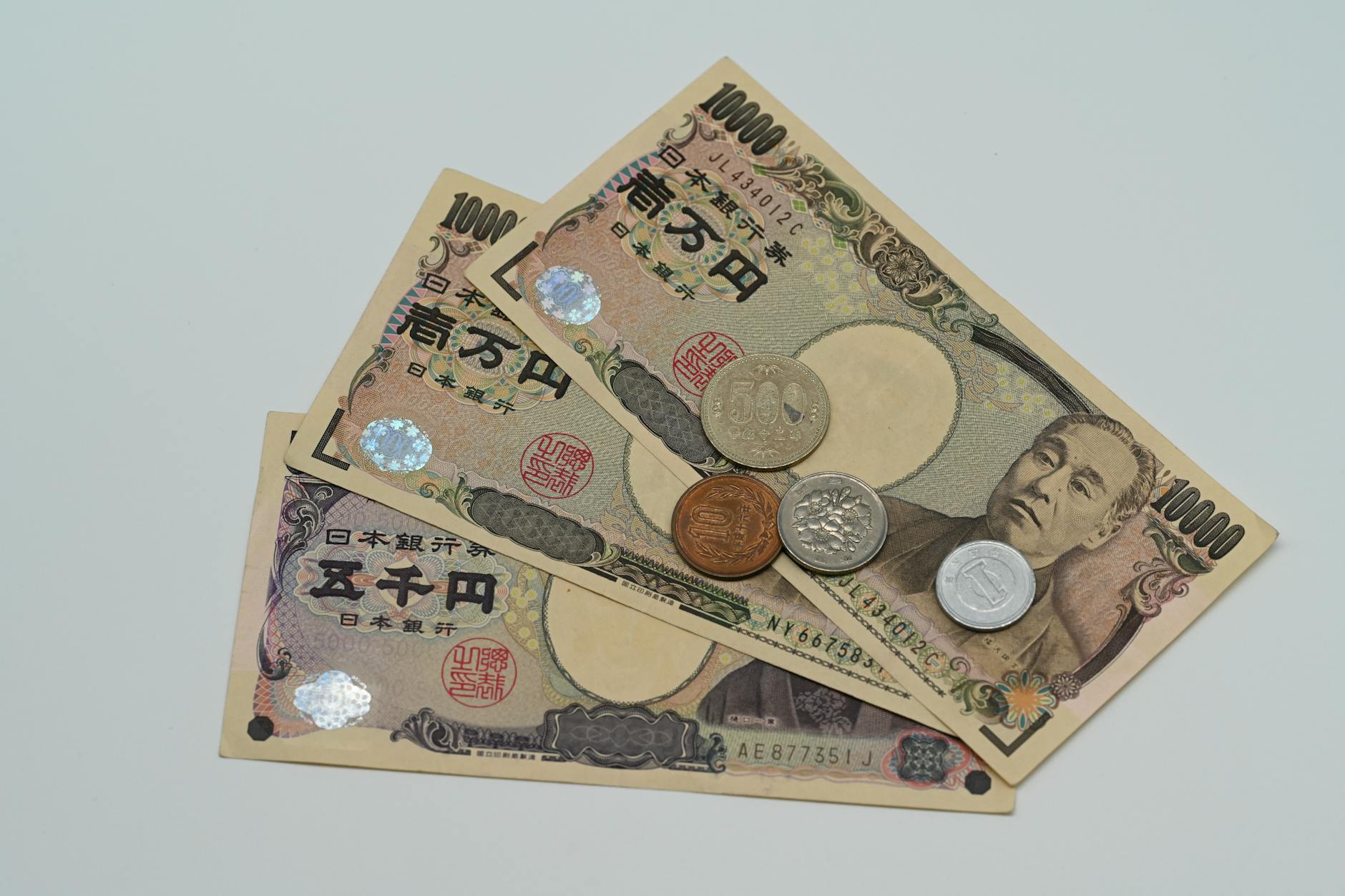
Yen Depreciation Meets Tourism Boom: A Strategic Moment for Asian Investors to Enter Japan’s Real Estate Market
A New Window in Japan’s Real Estate Market: Why Now Is a Critical Moment
Recently, we’ve received numerous inquiries from high-net-worth clients in Taiwan and the United States, all asking the same question: “Is now the right time to invest in Japanese real estate?” Honestly, over the past year or two, Japan’s property market has been experiencing a very unique window of opportunity — one driven by two powerful forces simultaneously.
First, the depreciation of the yen relative to other Asian currencies has dramatically increased overseas investors’ purchasing power. Second, the recovery of Japan’s domestic tourism industry and the return of international visitors are driving demand for short-term rentals and serviced apartments. When these two forces combine, they create a rare opportunity for savvy investors. From our experience, investors from Singapore, Hong Kong, and Taiwan are all beginning to seriously consider positioning themselves in Tokyo and Osaka.
The Investment Advantage of a Weak Yen: Currency Differences Alone Can Boost Returns
Let’s start by discussing the yen depreciation phenomenon. Over the past few years, the yen-to-dollar exchange rate has weakened from approximately 110:1 to over 130:1. What does this mean? Simply put, with the same amount of U.S. dollars or New Taiwan dollars, you can now acquire more Japanese yen-denominated assets.
Here’s a concrete example: when the yen depreciates, purchasing Japanese real estate with USD or TWD becomes cheaper. An apartment in Tokyo’s Shinjuku district originally priced at 200 million yen now costs relatively less when purchased in dollars.
This is especially beneficial for our Taiwanese clients. Many families considering property in Japan for their children’s education or employment are finding that converting TWD to yen is now more cost-effective. For Chinese American investors holding dollar-denominated assets, the yen’s weakness also makes the ROI on Japanese real estate more attractive.
However, an important reminder: exchange rates are a double-edged sword. When you eventually sell the property and convert yen back to dollars or TWD, if the yen has appreciated, you’ll gain additional returns; if it has depreciated further, you’ll lose on the exchange. Smart investors factor currency risk into their long-term planning.
Tourism Recovery and Short-Term Rental Opportunities: New Revenue Streams in Tokyo and Osaka
The recovery of Japan’s tourism industry, particularly the return of international visitors, is transforming the rental income model for real estate investment. Many clients ask us: “Can I rent out Japanese property? Are the rental yields good?” The answer is: it depends on how you rent it out.
Traditional long-term leases (to local Japanese residents or students) typically yield around 3-4%. But if your property is located in tourism hotspots like Tokyo’s Shibuya or Shinjuku, or Osaka’s Shinsaibashi, short-term rental platforms like Airbnb or local Japanese alternatives can achieve monthly rental yields of 5-7% or even higher. During peak seasons — cherry blossom season, New Year holidays, and cultural festival periods — rooms can be fully booked with excess demand.
We have several Taiwanese clients who purchased small apartments or machiya (traditional Japanese townhouses) in Tokyo specifically for short-term rentals. They’ve told us that post-pandemic, the pace of international tourist recovery has been much faster than expected, with rooms booked nearly year-round. Of course, short-term rentals come with risks and costs — professional property management, regular maintenance, and guest complaint handling are all required. But if you can find a reliable local management team, the cash flow from this model is genuinely compelling.
Taiwanese Families vs. Chinese Americans: Different Japan Property Strategies
From our experience, Taiwanese clients and Chinese American clients have quite different needs when it comes to Japanese real estate, and each deserves separate discussion.
Considerations for Taiwanese high-net-worth families: Many Taiwanese clients consider Japanese property primarily for their children’s education or long-term residence. Tokyo and Osaka have numerous top-tier universities and language schools, with a substantial Taiwanese student population. In this context, the “property-funded education” strategy becomes very practical — buy a home for your child to live in while renting out rooms to other students, using rental income to subsidize living expenses and mortgage payments. The yen’s depreciation lowers the initial investment cost of this strategy, making it easier to convince the rest of the family to approve the investment.
Additionally, Taiwanese clients need to consider cross-border taxation. Purchasing property in Japan requires filing for Japanese property tax, fixed asset tax, and income tax upon future sale. If the property generates rental income, overseas income must also be reported to Taiwan’s tax authority. This involves tax treaties between Taiwan and Japan and avoiding double taxation. We recommend Taiwanese clients consult with professional cross-border tax advisors before purchasing.
Considerations for Chinese Americans: Chinese American investors typically already have U.S. real estate portfolios and consider Japanese property for asset diversification. Their concerns include: the USD-denominated return on Japanese property, exchange rate risk, U.S. tax reporting requirements (FBAR, FATCA, etc.), and the complexity of future wealth succession.
Many Chinese Americans hold significant liquid assets (cash, stocks, retirement accounts) but lack diversified tangible asset holdings. Japanese real estate can serve as an interesting addition — especially if they’re optimistic about Japan’s long-term economic prospects or have family connections in Japan. However, the IRS has strict reporting requirements for overseas property, so it’s essential to understand these thoroughly before purchasing.
Practical Advice: How to Evaluate the Feasibility of Japanese Real Estate Investment
If you’re currently considering Japanese real estate investment, here are some specific evaluation criteria:
- Location selection: Tokyo and Osaka remain the most stable choices, but emerging areas (like Yokohama and Kyoto) are also beginning to attract investors. Consider who your target tenants are — students, short-term tourists, or local workers — as this will influence your location choice.
- Property type: New-build apartments, existing apartments, machiya, and small detached houses each have their pros and cons. New-build apartments have lower management costs but higher upfront investment; existing properties may be cheaper but carry higher maintenance risk.
- Financing options: Japanese banks have relatively strict lending conditions for overseas investors, but it’s not impossible. Some banks will offer 50-60% loan-to-value ratios. Chinese Americans may find it easier to secure USD financing from U.S. banks and then use dollars to purchase.
- Tax planning: This is the most easily overlooked but most important element. Before buying, make sure to calculate Japanese property tax, maintenance costs, rental income tax obligations, and your home country’s overseas asset reporting requirements.
- Exit strategy: Think about how you’ll sell when you buy. The Japanese property market is less liquid than the U.S., and selling may take longer. If you plan to exit within 5-10 years, evaluate the combined returns from exchange rates, property appreciation, and rental income.
Managing Currency Risk: Don’t Overlook the Possibility of Yen Appreciation
We need to be candid: while yen depreciation currently favors buyers, this isn’t a permanent state. The Bank of Japan’s monetary policy, global interest rate conditions, and geopolitical dynamics could all cause the yen to appreciate. If the yen strengthens by 20-30% in the coming years, your effective investment cost will rise accordingly.
Smart investors consider the following strategies:
- Purchase in tranches rather than making a single lump-sum investment to reduce exchange rate risk.
- Consider borrowing in yen rather than paying cash in USD or TWD, creating a natural currency hedge.
- Before purchasing, assess whether you can absorb the cost increase that would come with yen appreciation.
- If you’re especially sensitive to currency movements, consider forward contracts, though these involve additional costs.
Conclusion: This Is an Opportunity, But It Requires Careful Planning
The combination of yen depreciation and tourism recovery has indeed created a unique window for overseas investors. But “opportunity” doesn’t mean “you must buy.” Every investor’s situation is different — some are motivated by their children’s education, others by asset diversification, and still others by confidence in Japan’s long-term economy. Your objectives should shape your strategy.
From our experience, the most successful Japanese real estate investors are those who take time to do their homework, find reliable local teams, and maintain clear long-term plans. They don’t rush in just because “the yen is cheap” — they make decisions based on their financial goals and risk tolerance.
Whether you’re a Taiwanese family considering property in Japan for your children, or a Chinese American looking to diversify into Japanese assets — our advice is: first clarify your objectives, assess the time and capital you can commit, and then work with a professional team (including local real estate advisors, tax attorneys, and financial planners) to develop your plan. The opportunities in Japan’s real estate market are real, but the key to success lies in thorough preparation and rational decision-making.
Want to learn more about developing a Japanese real estate investment strategy tailored to your asset allocation needs? Our team has local partners in both Tokyo and Osaka, with deep knowledge of the Japanese property market, exchange rate risks, and cross-border taxation. Schedule a one-on-one consultation and let us design a Japan property strategy customized to your specific situation!