
Japan Real Estate Market Outlook 2025: Yen Depreciation, Interest Rate Policy, and Investment Opportunities
Three Key Investment Opportunities in Japan’s Property Market in 2025
Many high-net-worth clients in Taiwan and the United States ask us, “Is Japan’s property market still worth investing in right now?” It is an excellent question. Based on our experience, 2025 is in fact a year full of opportunities for Japanese real estate investors—provided you understand the market’s underlying logic.
Japan’s real estate market is at an interesting crossroads. On one hand, the yen’s continued depreciation has created a tangible FX advantage for foreign investors; on the other, the Bank of Japan’s interest rate policy adjustments are reshaping the entire mortgage landscape. These shifts create concrete opportunities for Chinese-speaking families looking to implement cross-border asset allocation.
Yen Depreciation: A Hidden Dividend for Foreign Investors
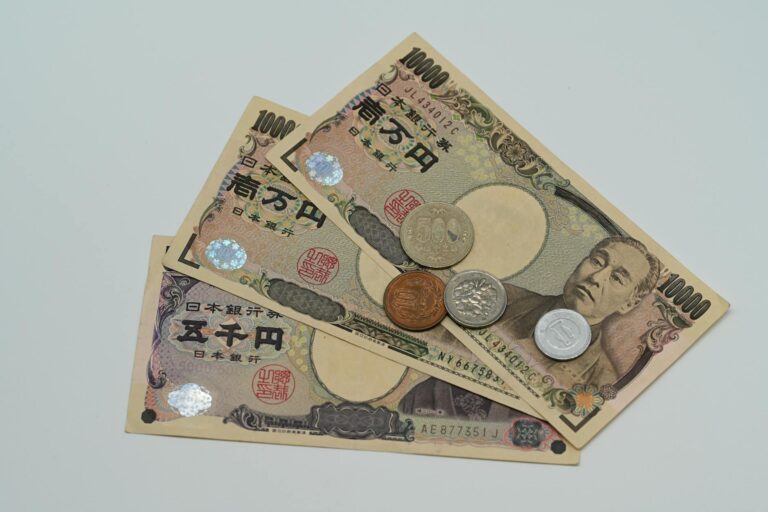
Over the past few years, the yen-to-dollar exchange rate has weakened from around 110:1 in 2021 to above 140:1 in 2024. What does this mean for families investing in TWD or USD? Simply put, with the same amount of capital, you can now buy more property area in Tokyo or Osaka—or, for the same property, your effective investment cost has decreased.
However, there is an important perspective to keep in mind: yen depreciation is not permanent. The Bank of Japan’s policy direction, the Japan–U.S. interest rate differential, and even global economic trends can all affect exchange rates. We have found that sophisticated investors are not betting on the yen rebounding; instead, they precisely evaluate the property’s rental yield and long-term appreciation potential under the current FX environment. In other words, yen depreciation is a time window—not the sole basis for an investment decision.
Bank of Japan Interest Rate Policy: A New Balance Between Mortgage Costs and Home Prices
Since 2024, the Bank of Japan has gradually adjusted its ultra-loose monetary policy. What practical impact does this have on the real estate market? First, mortgage rates have started to rise. Japan’s fixed mortgage rates have climbed from historic lows of 0.3–0.4% to around 1.5–2.0%. For domestic buyers, this increases purchase costs. For foreign investors investing for returns, however, it can actually create opportunities.
Why? Because higher borrowing costs curb speculative buying, and price growth tends to become more rational. This means properties purchased now may face lower future price volatility, while rental yields become relatively more attractive. We are seeing prime apartments in Tokyo and Osaka reaching annual rental yields of 3–4%, which is a very solid level among major global cities.
Tokyo and Osaka: Two Cities, Two Different Investment Logics
Among our Japan-focused clients, we often hear this question: “Should I invest in Tokyo or Osaka?” The answer depends on your investment objectives.
Tokyo remains the core of Japan’s real estate market. As a top-tier global metropolis, Tokyo property offers strong liquidity and resilience. High-end apartments (especially in central areas such as Minato and Chiyoda) maintain steady tenant demand—whether from business professionals, international students, or short-term visitors. From an asset-protection perspective, Tokyo property is more like “insurance”: upside may be limited, but downside risk is also low.
Osaka, by contrast, has different characteristics. As Japan’s second-largest city, Osaka’s prices are relatively more accessible, and rental yields are often higher than Tokyo’s. In particular, Osaka’s appeal as an international tourism destination has continued to rise in recent years, and the Airbnb and short-term rental markets are very active. If your goal is rental cash flow, Osaka’s investment logic may be more compelling.
In our experience, many Taiwanese families adopt a “dual-city strategy”: allocate a high-quality apartment in Tokyo for personal use or long-term holding, and invest in a property in Osaka for short-term rentals. This approach allows you to benefit from Tokyo’s asset stability while also capturing higher cash flow from Osaka.
Practical Investment Considerations for Japan’s Property Market in 2025
Rental Yield: From Theory to Reality
We often see investors attracted by annual rental yields of 3–4%. But behind that number, there are many details to consider. First is vacancy rate—prime apartments in central Tokyo typically have vacancy rates below 5%, while outlying areas can be as high as 15–20%. Second is management costs—property management, tax filing, and maintenance expenses in Japan must all be included, and they typically account for 15–25% of rental income.
We have found that the true net rental yield (after all costs) is typically around 2–3%. This remains attractive for investors financing in USD or TWD, especially given the stability and liquidity of Japanese property. However, if you are expecting rental returns above 5%, Japan may not be the most suitable choice.
FX Risk and Hedging Strategies
This is a point many Chinese investors in the U.S. and Taiwan tend to overlook. When you buy Japanese property with USD, you are effectively making two investments: the property itself, and a bet on yen appreciation.
For example, suppose you use $1 million to buy an apartment in Tokyo, with annual rental income of $30,000. If the yen appreciates 20% over the next five years (from 140:1 back to 117:1), your property increases in value in yen terms, but when you convert the rent back into USD, you will actually receive fewer dollars. The reverse is also true.
We recommend that high-net-worth investors consider FX hedging strategies when investing in Japanese real estate. This may include retaining part of the rental income in Japan (for domestic spending or reinvestment), or using forward FX contracts to lock in exchange-rate risk. These strategies require working with professionals who understand cross-border taxation, but over the long term they can materially improve your realized investment returns.
Tax Planning: A Critical Component You Cannot Ignore
This is one of the most frequently asked topics in our Japan property investment consultations. What taxes do Taiwanese buyers need to pay when purchasing property in Japan? What about U.S. residents? The answer varies by individual, but there are several key points:
- Acquisition taxes: When purchasing Japanese property, you generally need to pay approximately 3–4% in acquisition and registration taxes as a one-time cost.
- Holding taxes: Each year, you must pay fixed asset tax and city planning tax, typically around 1.4% of the assessed property value.
- Rental income tax: As a foreign investor, your rental income is subject to income tax in Japan. The tax rate depends on your total income and is typically between 15% and 55%.
- Capital gains tax on sale: If you sell after the property has appreciated, you generally need to pay around 20% in capital gains tax (short-term holding) or 15% (long-term holding).
For U.S. residents, U.S. tax considerations also apply—simply put, the IRS has specific rules for taxing rental and capital gains income from U.S. real estate held by foreign persons. While Japanese property is not subject to FIRPTA, U.S. tax law may still tax your worldwide income (including Japanese rental income).
We strongly recommend professional tax planning before investing. A well-designed structure (for example, holding the property through a specific Japanese corporate entity) may save you 15–30% in tax costs.
An Action Framework for Investing in Japan’s Property Market in 2025
Who Is It Suitable For?
Based on our years of experience, Japanese real estate investment is particularly suitable for the following groups:
- High-net-worth families seeking diversification: If you already own property in the U.S. (Phoenix, Texas) or Taiwan, Japanese property can serve as part of a global asset allocation strategy, reducing single-market risk.
- Families with business or study needs in Japan: Buying property in Japan can meet owner-occupancy needs while also generating rental income. In particular, for families with children studying in Japan, a “rent to fund education” strategy can work well in both Tokyo and Osaka.
- Investors seeking stable cash flow: If you have already accumulated sufficient capital, Japan’s 3–4% rental yields can provide steady passive income.
- Long-term allocators: Japanese property is not suitable for short-term speculation, but it is well suited to holding periods of 10+ years. Especially in the current yen-depreciation environment, long-term holders can fully benefit from a potential future FX rebound.
Specific Action Steps for 2025
If you decide to enter Japan’s real estate market, here are the steps we recommend:
- Clarify your investment objectives: Are you buying for personal use, long-term appreciation, or rental income? This determines the property type and locations you should focus on.
- Plan for FX and taxes: Before purchasing, work with advisors who understand cross-border taxation to design the optimal investment structure.
- Choose the right city and location: Tokyo is suited to asset protection; Osaka is suited to cash flow. The investment logic differs completely by area.
- Assess true rental yield: Do not look only at gross yield—calculate net returns after all costs.
- Build a long-term holding plan: Investing in Japanese property requires patience. Short-term fluctuations are not important; what matters is the cumulative return over 10 or 20 years.
Conclusion: The Role of Japanese Property in Your Global Asset Allocation
Japan’s real estate market in 2025 is neither a “golden opportunity” nor a “high-risk trap.” It is a relatively mature and stable investment option—one that requires professional planning.
For high-net-worth families in Taiwan pursuing cross-border asset allocation, Japanese property can be an excellent complement to U.S. real estate investments. For Chinese families already settled in the United States, Japanese property offers a relatively low-risk option for allocating assets in Asia.
The key is to understand the market’s underlying logic—the time window created by yen depreciation, the impact of central bank interest rate policy, the investment characteristics of different cities, and the importance of tax planning. Only by integrating these factors can you form a truly effective Japan real estate investment strategy.
Would you like to explore whether Japanese real estate fits your global asset allocation plan? Our team has deep local networks in both Tokyo and Osaka and stays on top of the latest market developments and investment opportunities. You are welcome to book a one-on-one consultation—so we can tailor the most suitable cross-border investment plan to your specific situation.