Morgan Stanley’s $900 Million Japan Real Estate Fund: New Opportunities for Overseas Capital, Taiwan, and US-Based Chinese Investors
Global Capital Rediscovers the Value of Japanese Real Estate
A major industry event recently caught our attention—Morgan Stanley just raised $900 million for a Japanese real estate fund. This is more than just a financing figure; it reflects a re-evaluation of the Japanese real estate market by top-tier global asset management institutions. In our experience, when international giants like Morgan Stanley begin to increase their holdings in Japan, it typically signifies that the market is entering a new growth cycle.
This signal is particularly important for high-net-worth Taiwanese families looking for overseas asset allocation, as well as Chinese investors in the United States seeking cross-border investment opportunities. The Japanese real estate market is currently experiencing a unique window of opportunity, driven by both international capital and local economic support.
Why is Major International Capital Bullish on Japanese Real Estate Now?
Many clients ask us, “Why is Morgan Stanley investing so much capital in Japan?” The answer is quite straightforward.
First, Japanese real estate remains a value trough compared to European and American markets. While property prices in core cities like Tokyo and Osaka have stabilized, they remain more cost-effective than those in New York, London, or San Francisco. A high-quality apartment in a core area of Tokyo often yields a rental return of 3–4%, which is highly attractive to international investors seeking stable cash flow.
Second, the Japanese real estate market structure is relatively mature. Whether it is property management, leasing regulations, or capital exit mechanisms, there is a complete framework of international standards. This reduces risk for investors who want to engage in cross-border investment but are concerned about market transparency.
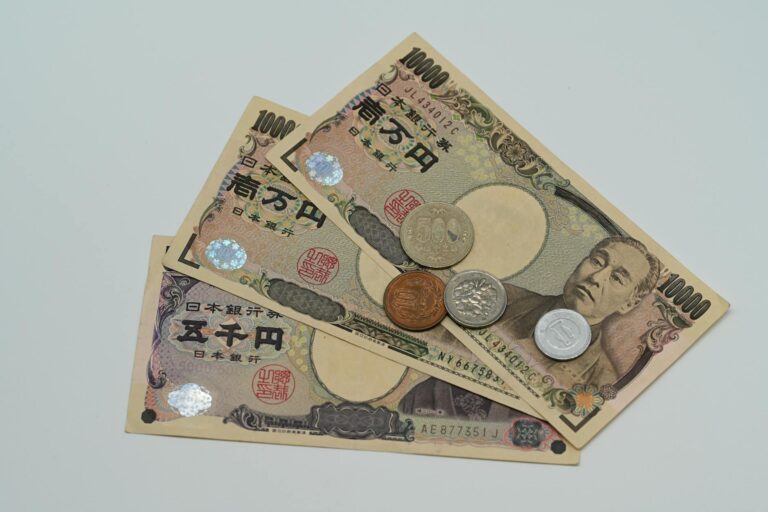
Third, the influx of foreign capital into Japanese real estate is occurring against the backdrop of a relatively weak Yen. Over the past few years, the Yen’s depreciation against the US Dollar has hit multi-decade lows, providing overseas investors purchasing Japanese property with US Dollars or New Taiwan Dollars a tangible exchange rate advantage. In other words, the same amount of US Dollars can now purchase more assets in Japan.
Tokyo vs. Osaka: Two Distinct Investment Logics
Japanese real estate investment should not be generalized. Although Tokyo and Osaka are both first-tier cities, their investment opportunities are entirely different.
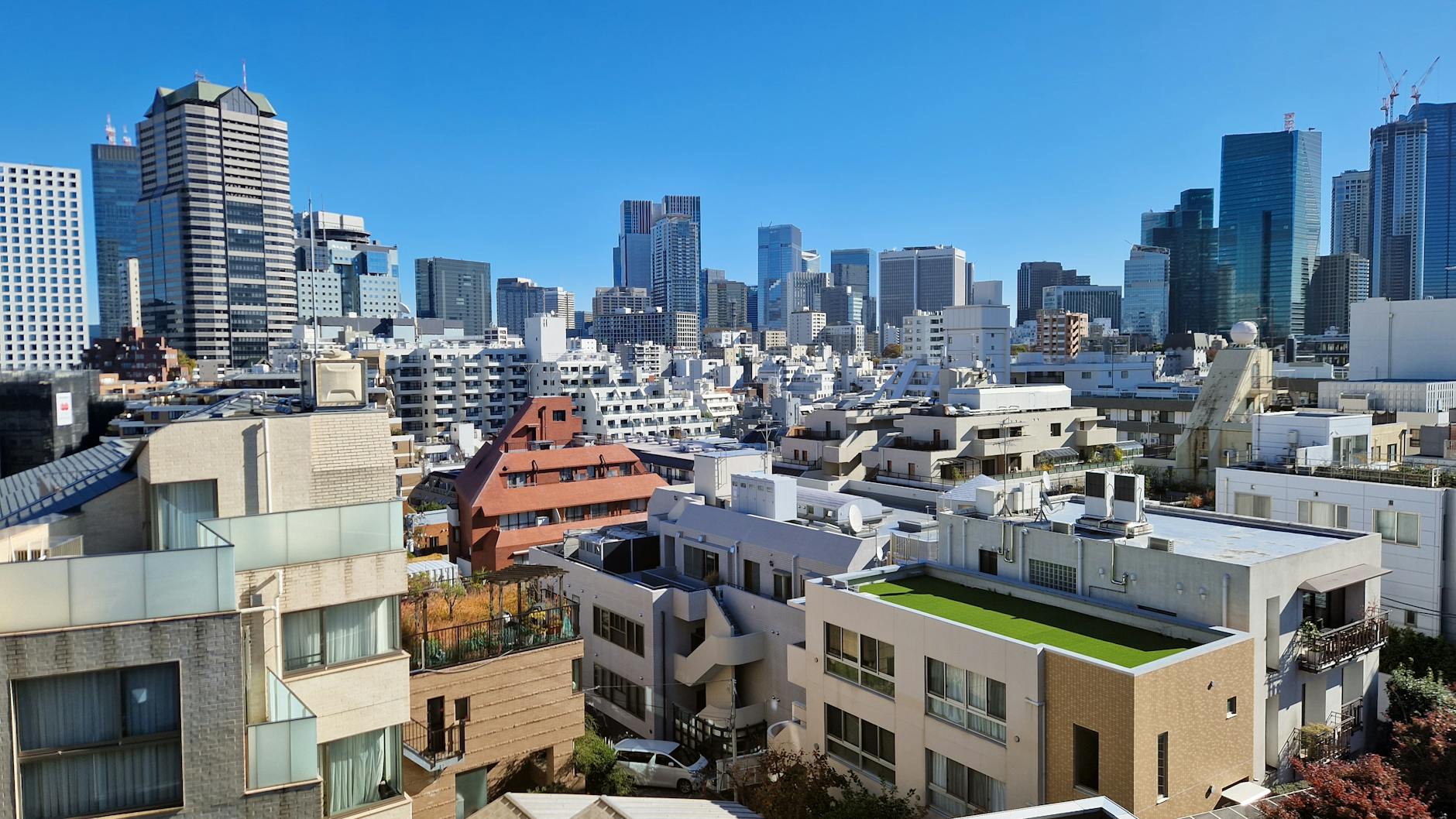
Tokyo: As a top-tier global metropolis, the appeal of Tokyo real estate lies in its stability and liquidity. International corporate headquarters, high-end business districts, and premium educational resources are concentrated here. For Taiwanese families looking to purchase property for children studying abroad, Tokyo apartments can serve as a residence or be rented out to students and business travelers during the off-season, achieving the goal of “funding education through property.” While the potential for capital appreciation in Tokyo may be limited, its rental income and asset preservation capabilities are very strong.
Osaka: Osaka is a hotspot for growth-oriented investment. As Japan’s second-largest city, Osaka is undergoing urban renewal and a tourism recovery. The return of international tourists, post-Olympic infrastructure investment, and an influx of young people all support the potential for property appreciation. For investors seeking capital gains, opportunities in Osaka are often more abundant than in Tokyo.
Many of our clients choose to position themselves in both cities—focusing on rental yield and asset stability in Tokyo, and long-term appreciation in Osaka. This dual-city strategy is becoming increasingly common in Japanese real estate investment.
Yen Exchange Rate Fluctuations: Risk or Opportunity?
When discussing Japanese real estate investment, the Yen exchange rate is an unavoidable topic.
On one hand, the depreciation of the Yen makes it easier for overseas investors to enter the market. With the same amount of US Dollars or New Taiwan Dollars, you can now buy a better property than you could three years ago. On the other hand, if you plan to rent or sell in Yen in the future, continued depreciation will affect your returns in US Dollars.
Based on our experience, savvy investors handle exchange rate risk this way: if you are a long-term holder (over 5 years), short-term fluctuations in the Yen are not a major concern. While the Bank of Japan’s easing policies have led to a weak Yen, they have also supported the stability of the Japanese real estate market. Rental income can be used to offset the impact of exchange rate volatility.
However, if you plan to sell or withdraw cash within 2–3 years, exchange rate risk deserves serious consideration. In such cases, you might consider using forward exchange contracts or other hedging tools to lock in the rate.
Specific Implications for Taiwanese Families and US-Based Chinese Investors
What does this Morgan Stanley financing mean for you? We have summarized several key action recommendations:
- The window of opportunity is opening: When top-tier global asset management firms begin to increase their stakes, it is often a good time for individual investors to enter. The market has not yet been over-hyped, and property prices remain within a reasonable range. If you have been considering purchasing property in Japan, now may be more advantageous than a year from now.
- Cross-border tax planning is becoming more important: As foreign capital pours in, the Japanese government’s supervision of foreign investors will gradually strengthen. Planning your tax structure in advance—whether through a Japanese company, trust, or other framework—can help you avoid unnecessary tax burdens. For Taiwanese investors, this involves Taiwan’s overseas income tax; for US investors, it involves FIRPTA and US federal taxes.
- The value of multi-city allocation: Do not invest all your capital in Tokyo. The market logic and risk profiles of Tokyo and Osaka are different. Multi-city allocation can help you balance returns and risks.
- New opportunities for education-related property: For Taiwanese families with children planning to study in Japan, now is the best time to “fund education through property.” Purchasing a Tokyo apartment provides a stable residence for your children and can be rented to tourists or other students during holidays to partially offset holding costs.
Comparative Reflections on US Real Estate Investment
Many clients ask us, “Should I choose Japanese or US real estate investment?”
To be honest, it is not a matter of choosing one over the other, but rather how to allocate between them. US real estate (such as in Phoenix or Austin, Texas) offers high growth potential and US Dollar appreciation. Japanese real estate offers stable rental yields and the predictability of a mature market.
An ideal overseas asset allocation often includes both. Invest in growth-oriented properties in the US (for capital gains) and core city properties in Japan (for stable cash flow). This allows them to complement each other across different economic cycles.
Should You Act Now?
Morgan Stanley’s financing is indeed a market signal, but it is not a reason to rush into a purchase. We suggest the following steps:
- Evaluate your investment goals: Are you looking for rental yield, capital appreciation, or property for your children? Different goals correspond to different cities and property types.
- Plan your cross-border taxes: Confirm your tax structure before purchasing. This can help you save 20–30% in tax burdens.
- Research exchange rates and financing strategies: Consider the direction of the Yen and whether you need local financing in Japan.
- Customize your allocation plan: Japanese real estate is only one part of overseas asset allocation. Combine it with your other investments in the US and Taiwan to develop a comprehensive wealth strategy.
Conclusion: A Borderless Asset Strategy
Morgan Stanley’s $900 million Japanese real estate fund reflects the confidence of top-tier global asset management institutions in the Japanese market. However, for individual investors, the real opportunity lies not in following the crowd, but in understanding the logic behind the market and formulating a strategy based on your own circumstances.
Whether you are a Taiwanese family looking to buy property in Japan for your children, or a US-based Chinese investor looking to invest across states or allocate assets in Japan, the key remains the same: clear goals, comprehensive tax planning, and diversified allocation.
Would you like to learn more about a cross-border asset allocation plan tailored for you? Our team is always happy to provide personalized planning. We welcome you to book a one-on-one consultation! Whether you are a first-time overseas buyer or an experienced international investor, we can help you find the most suitable strategy.