Osaka Real Estate Investment Boom: Japan Commercial Property Breaks 1 Trillion Yen in 2024 — New Opportunities for High-Net-Worth Investors
Japan’s Commercial Real Estate Market Hits a Historic High — Osaka Leads the Investment Wave
In 2024, Japan’s commercial real estate investment market reached a milestone. According to data from international real estate advisory firm JLL, Japan’s total commercial property investment surpassed the 1 trillion yen mark for the first time, setting a new all-time record. What does this number signify? For Taiwanese high-net-worth families looking to diversify assets overseas, or Chinese American investors seeking cross-border opportunities, this is a signal that cannot be ignored.
From our experience, when a market hits new highs, it typically reflects three important phenomena: restored market confidence, inflows of international capital, and strengthening local economic fundamentals. This upswing in Japan’s commercial real estate market, led particularly by Osaka, is the result of all three factors working in concert.
Why Has Osaka Become the Investment Focus?
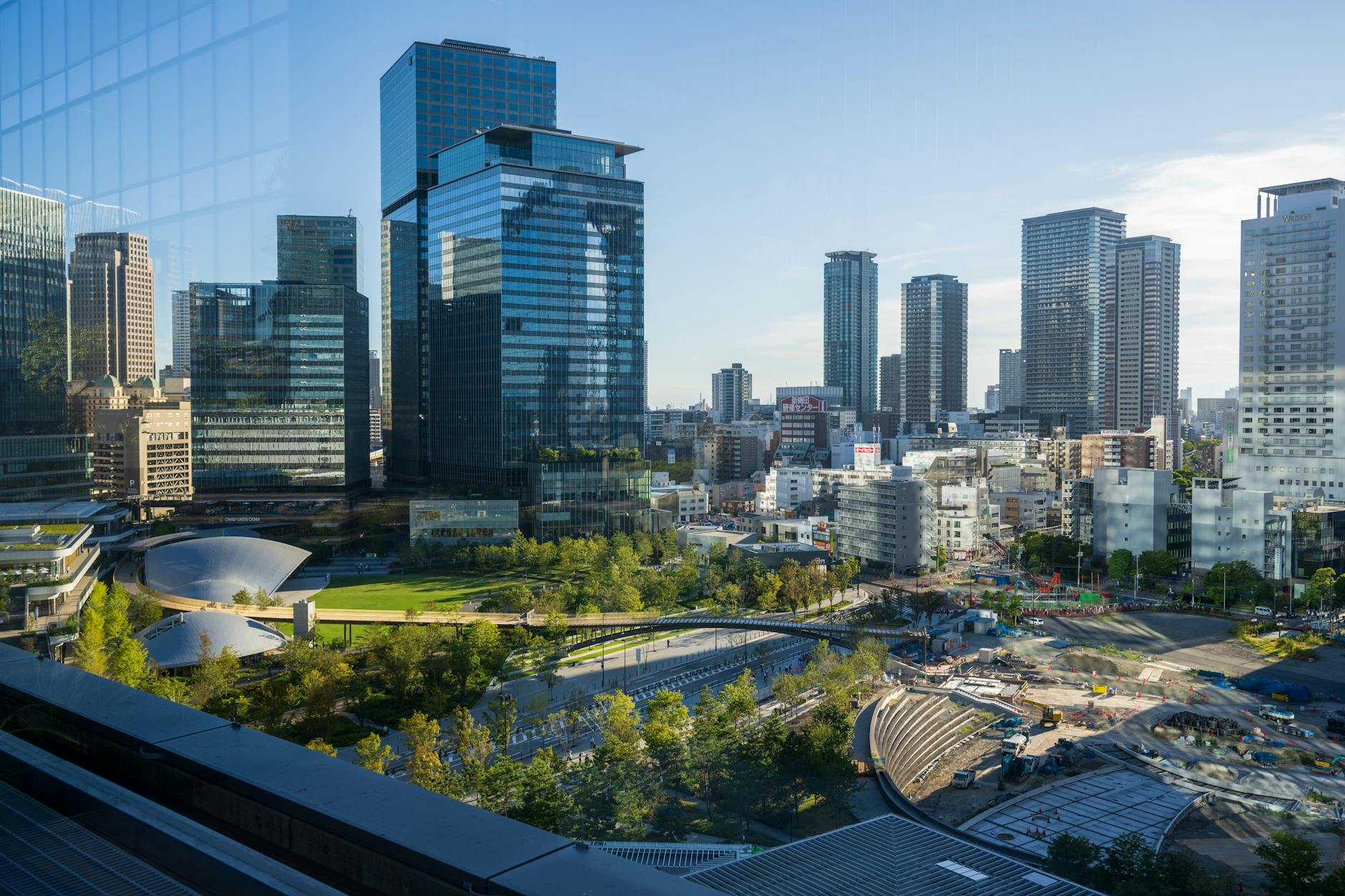
Osaka’s role as the frontrunner in this investment wave is no coincidence. As Japan’s second-largest city, Osaka enjoys a unique geographic advantage — serving as the hub connecting Tokyo to western Japan and as the economic center of the Kansai region. More importantly, Osaka’s urban renewal initiatives in recent years, the revival of its tourism industry, and its status as the host city for Expo 2025 have all provided powerful growth catalysts for commercial real estate.
Many clients ask us: “How do investment opportunities in Osaka differ from Tokyo?” Our observation is that the Tokyo market is already relatively mature with elevated prices, while Osaka is in a value-discovery phase. For investors seeking higher rental yields and appreciation potential within the Japanese property market, Osaka offers a more attractive entry point.
Real Return Opportunities in Commercial Real Estate
When commercial property investment surpasses the 1 trillion yen mark, it means the market offers more quality investment targets, more active transaction flow, and more transparent pricing mechanisms. For investors, this translates into several concrete advantages:
- Enhanced rental income stability: Commercial tenants are typically established corporations or chain brands with relatively stable lease terms, making rental income more predictable. In Japan’s interest rate environment, this type of steady cash flow is particularly attractive for high-net-worth individuals seeking passive income.
- Capital appreciation potential: As Osaka’s urban infrastructure improves and tourist traffic increases, the long-term appreciation potential of commercial properties should not be underestimated. Properties located at transportation hubs and commercial centers tend to appreciate faster than residential real estate.
- Favorable currency timing: The yen has experienced significant fluctuations over the past year. For Taiwanese or American investors, entering now allows you to lock in costs at a relatively favorable exchange rate while potentially benefiting from future yen appreciation.
Tax and Asset Allocation Considerations for Cross-Border Investors
Japanese real estate investment involves several important tax and compliance issues for overseas investors. When assisting our high-net-worth clients from Taiwan and the U.S., we frequently need to carefully plan the following aspects:
- Japanese local taxes: Property acquisition tax, fixed asset tax, and rental income tax. For non-resident investors, understanding this tax structure is critical, as it directly impacts the actual rate of return on investment.
- Cross-border capital flows and reporting: Taiwanese investors must comply with Taiwan’s tax authority requirements for overseas income reporting; Chinese Americans need to consider the U.S. global income tax system. While these compliance requirements seem complex, advance planning can significantly reduce tax costs.
- Wealth succession planning: How should Japanese property be incorporated into your overall asset allocation and succession plan? This is a question many high-net-worth families overlook but which is critically important. Proper structural design can prevent double taxation during generational transfers.
Japan vs. U.S. Real Estate Investment: How to Choose?
From our experience, many clients face a choice: should they allocate capital to Japan or the U.S. (such as high-growth areas like Phoenix and Texas)? The answer depends on your investment objectives:
- If you prioritize rental income and capital stability, Japanese commercial real estate — particularly quality properties in Osaka — offers stable cash flow and relatively low volatility.
- If you’re pursuing rapid appreciation and higher rental multiples, emerging U.S. markets (like Phoenix and Austin) tend to deliver higher annual appreciation rates and rental yields, making them especially suitable for medium-to-long-term hold strategies.
- The smartest approach is often to allocate a proportion of assets in both markets, enjoying Japan’s stability while participating in America’s growth potential. This is the true wisdom of cross-border asset allocation.
Timing Considerations for Market Entry
Japan’s commercial real estate market hitting historic highs raises an obvious question: is now the best time to enter, or have you already missed the boat? Our view is that the key factor isn’t market height, but rather your investment objectives and time horizon.
For investors planning to hold long-term (five years or more), market highs often reflect improved fundamentals rather than a speculative bubble. Osaka’s status as the Expo host city and a major commercial hub isn’t going to change — these structural advantages will continue to support property values. Moreover, selecting the right property, getting tax planning right, and building a sound holding strategy matter far more than entry timing.
Action Steps for Overseas Investors
If you’re a Taiwanese high-net-worth family or Chinese American investor considering Japanese real estate investment, here are our recommended action steps:
- Define your investment objectives: Are you seeking rental income, capital appreciation, asset diversification, or preparing for your children’s education? Different goals correspond to different property choices and holding strategies.
- Assess the tax implications: Before entering the market, thoroughly understand how your home country’s tax regulations affect Japanese property investments. This often determines your actual rate of return.
- Select the right market and property: Osaka is indeed a hotspot, but not all Osaka properties are worth investing in. Choosing quality commercial properties located at transportation hubs, commercial centers, or Expo-related areas tends to deliver better returns.
- Build a long-term holding plan: The best returns from Japanese real estate investment come from long-term holding. Short-term speculation is often eroded by taxes and transaction costs.
- Integrate with global asset allocation: Japanese property should be part of your overall asset allocation, not an isolated investment. Consider how it coordinates with U.S. real estate, financial products, and retirement planning.
Japan’s commercial real estate market reaching historic highs, with Osaka leading the investment wave, genuinely represents an opportunity worth serious study for forward-thinking overseas investors. But successful investing is never about chasing market trends — it’s about thorough research, clear objectives, and careful planning.
Want to learn more about finding the right investment opportunities in Japan’s property market, or how to incorporate Japanese real estate into your global asset allocation strategy? Our team has hands-on experience across Japan and the United States and would be happy to design an investment strategy tailored to your needs and tax situation. Schedule a one-on-one consultation and let’s explore your cross-border wealth growth journey together!